Evidence for Action (E4A) is the program it is today because of the tremendous dedication and effort of our alums. These individuals worked closely with the National Program Office (NPO) and the Robert Wood Johnson Foundation (RWJF) to guide program direction, funding opportunities, and other initiatives. Alumni represent previous NPO team members and National Advisory Committee (NAC) members. We commend them for their service to E4A and their commitment to advancing population health, wellbeing, and racial equity.
Evidence for action alumni
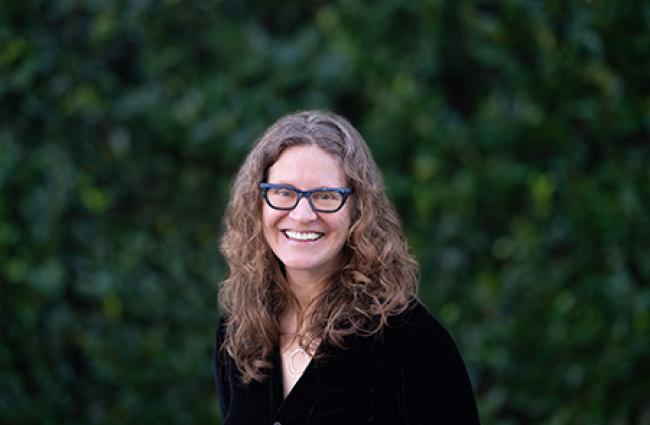
Laura Gottlieb, MD, MPH
Show more Show less
Dr. Gottlieb contributes to the development of E4A priorities and reviews and recommends applications for funding. Dr. Gottlieb’s research explores health care sector programs and policies related to identifying and addressing social risk factors in the context of care delivery. She is a Professor in the Department of Family and Community Medicine at UCSF and the founding director of the Social Interventions Research and Evaluation Network, a national research network that advances research on health care strategies to improve social conditions.
E4A’s mission is to improve the availability of high-quality evidence on policies and programs that can influence health. I love that we are working across the four Culture of Health action areas—it means we are constantly learning across disciplines from our advisors, applicants, and grantees.
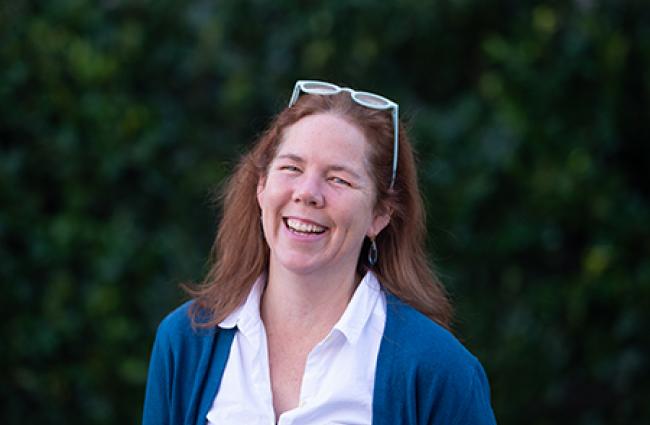
Maria Glymour, ScD, MS
Show more Show less
Dr. Glymour leads the E4A Methods Laboratory and reviews letters of intent and full proposals. Dr. Glymour's research focuses on how individual and contextual social factors experienced across the lifecourse, from infancy to adulthood, influence cognitive function, dementia, stroke, and other health outcomes in old age. A separate theme of her research focuses on overcoming methodological problems encountered in observational epidemiology, in particular analyses of social determinants of health and dementia risk.
I love working with E4A because this program supports research that makes a difference, focusing on the joint goals of methodologic rigor and potential usefulness of findings. That combination – researchers who ask the right questions and use the best tools to find the right answers to those questions – is what we need to improve population health and reduce health inequality.
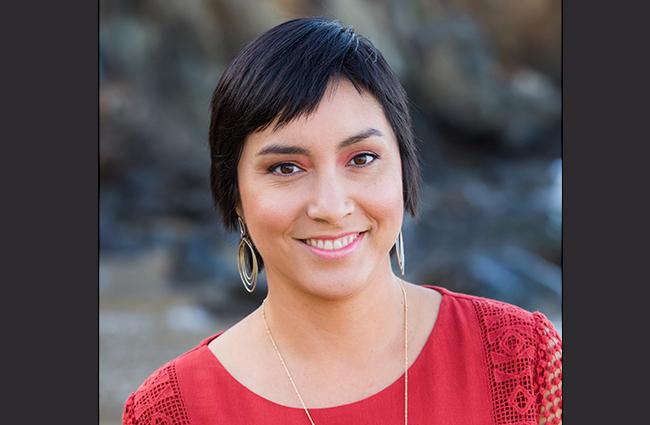
Adonia E. Lugo, PhD
Show more Show less
Cultural anthropologist Adonia Lugo (she/hers) lives, works, and thinks about mobility justice in traditional and unceded Tongva territory (Los Angeles). Her book, Bicycle/Race: Transportation, Culture, & Resistance, came out in 2018. Adonia is the Equity Research Manager at the University of California Institute of Transportation Studies, based at UCLA. In May 2022, Governor Gavin Newsom appointed her to the California Transportation Commission.
Research in service to equity requires community-rooted design and interdisciplinary expertise. I'm particularly glad to support E4A's approach to this for mobility and transportation research.
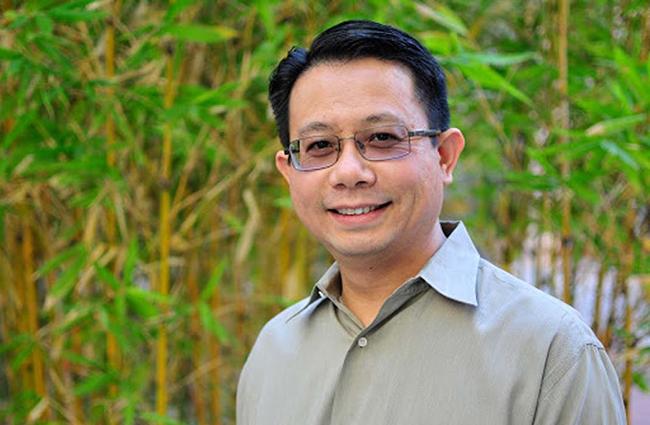
Gilbert C. Gee
Show more Show less
Dr. Gilbert C. Gee is a Professor in the Department of Community Health Sciences at the UCLA Fielding School of Public Health. His research focuses on understanding the social determinants of racial/ethnic health inequities, with a particular focus on the effects of racism at multiple levels over the life course.
E4A is an exciting program that can catalyze change at various levels of scale. I am particularly excited by the program's focus on reducing health inequities for many different communities.
Terrell Winder, PhD
Show more Show less
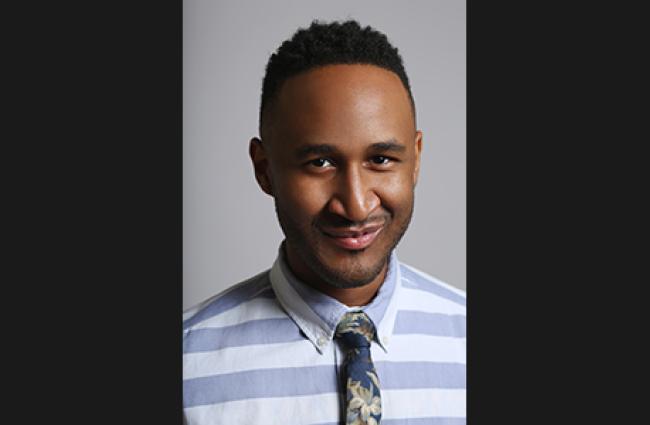
Dr. Winder supports the aims of E4A in reviewing and recommending applications for funding. Dr. Winder’s research focuses on racial and sexual stigma, sexual health, and experiences of racial and sexual inequality across social institutions. He is a specialist in qualitative methods including ethnography, interview, and focus group techniques.
E4A is moving the needle by supporting research and interventions that are having meaningful, positive impacts on the lives of people every day. I am excited to continue supporting evidence-based work that will ameliorate the health outcomes of marginalized groups.
Charles H. Lea III, Ph.D., MSW
Show more Show less
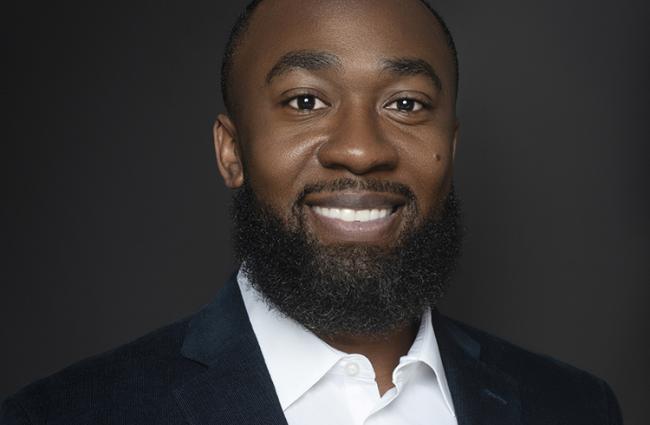
Dr. Lea focuses his research on educational and health equity for emerging adult Black men who have experienced incarceration. He employs qualitative, participatory, mixed, and art-based methods to examine how racism and carcerality shape young Black men's post-release health behaviors and outcomes. He also explores how to implement radical healing interventions to promote health and wellbeing.
I am excited and honored to work with the E4A team to support and promote action-oriented research that has the potential to counteract the harms and structural and systemic racism and improve the health, well-being, and equity experiences and outcomes of marginalized communities.
Jill Fish, PhD, LP
Show more Show less
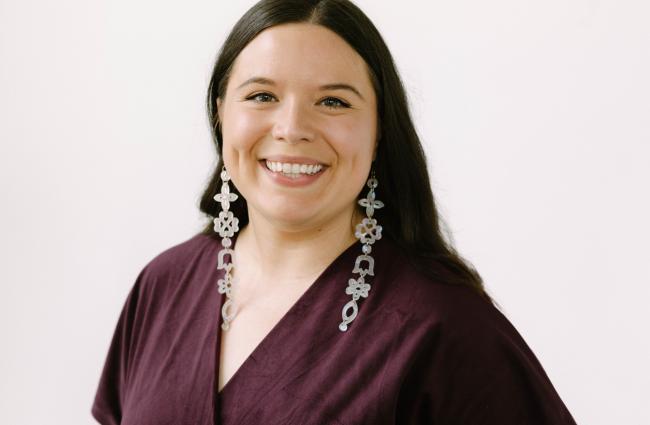
Dr. Fish is a Licensed Psychologist and owner of Fish Psychotherapy & Consulting, as well as an assistant professor of psychology at Macalester College. Her interdisciplinary scholarship focuses on promoting Indigenous peoples well-being across the lifespan. She is particularly interested in how Indigenous peoples' histories and cultures support healthy lives and communities.
What I love about E4A is that it embodies many of the values that I hold close — equity, culture, and community. I'm thrilled to support research that uses these values to create meaningful change in communities.
Ryan J. Petteway, DrPH, MPH
Show more Show less
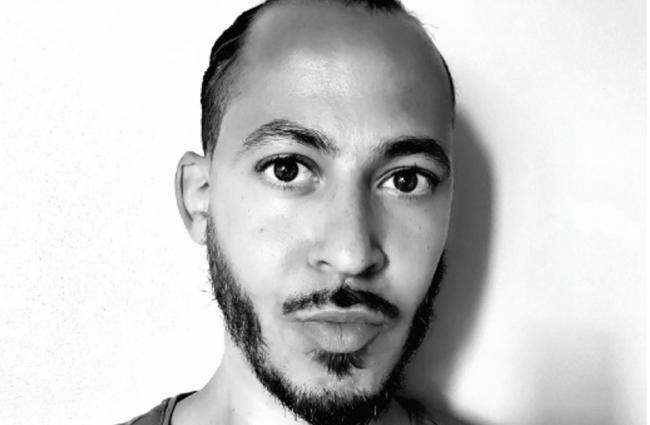
Dr. Ryan J. Petteway, associate professor in the OSHU-PSU School of Public Health, is a public health scholar, educator, and poet who integrates social epidemiology, participatory research, and creative arts to advance health equity. He engages critical, Black feminist, and decolonial theory and methods pursue procedural and epistemic justice and advance antiracist praxis within public health pedagogy, research, and practice, including via satire/humor, music, and poetry. His applied research integrates social epidemiology and CBPR/YPAR to improve empirical and conceptual understanding of place and health.
Our collective work towards health justice is constrained by a lack of imagination and audacity when it comes to discourse about ‘evidence’ – as many of us seldom question extant power relations that shape whose and which forms of data and knowledge are valued and legitimized. I’m looking forward to supporting E4A in its work to honor other/multiple ways of knowing, to center community knowledges, and transform dominant health narratives.
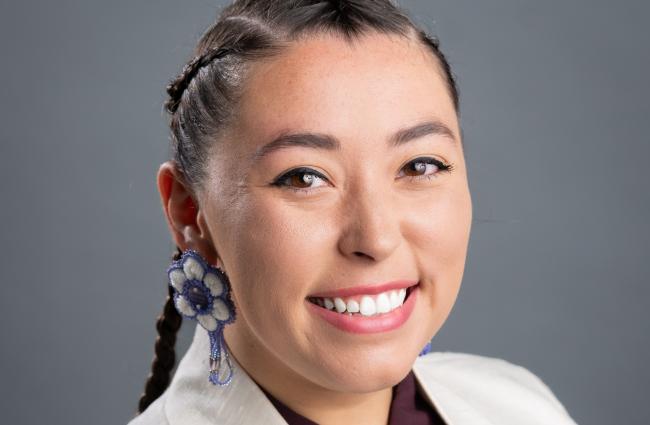
Lauren W. Yowelunh McLester-Davis, PhD
Show more Show less
Dr. McLester-Davis is a citizen of the Oneida Nation of Wisconsin and is based on the ancestral homelands of the Ho-Chunk Nation in Teejop. Dr. McLester-Davis' research focuses on neurological and metabolic disorders in minoritized populations, as directed by community, with emphasis on serving Indigenous communities in Wisconsin. She has expertise in working for Tribal Nations through research and centering Tribal sovereignty in research praxis.
I appreciate the ways E4A grantees ensure scientists and research questions are serving communities in achieving action-orientated equitable outcomes. I am excited to support E4A in their commitment to honor Tribal sovereignty in research that achieves racial equity.
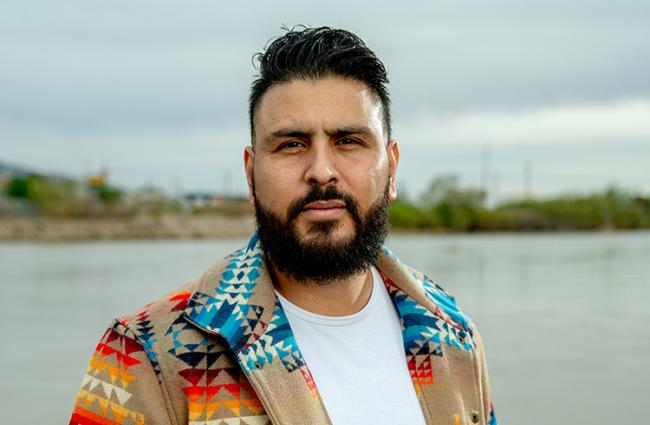
Rodolfo Rodríguez
Show more Show less
As Founder and Principal of The Policy Gap, Rodríguez aligns government and community leaders around the U.S. to take collective action toward a range of affordability crises. He has mobilized hundreds of impacted communities around historic climate justice investments, partnered with immigrants to strengthen their protections in Denver, co-designed a healthcare system with and for public housing residents in Austin, and convened tribal leaders and federal administrators for land justice in Montana. Rodríguez has dedicated his life to shifting transactional moments into transformative movements.
I genuinely believe that the E4A program unlocks a sacred resource for community-rooted investigators deeply committed to driving equitable change in their cities and regions. As a Reviewer, I am excited and committed to investing in values-aligned leaders, ideas and opportunities, especially those with the greatest promise of impact beyond the practice of traditional research and mere publication.
Xavier Morales, PhD
Show more Show less
Xavier Morales, (he/him) is the executive director of The Praxis Project, a national non-profit dedicated to supporting and collaborating with grassroots community organizations engaged in basebuilding and powerbuilding, working with institutions and agencies to collaborate with community organizations more authentically, and with funders to have greater collective impact on transforming systems, structures, policies, and practices toward improved health, equity, and racial justice. Originally from Sanger, CA, Xavier earned his Ph.D. and Master of Regional Planning degrees in Community Development/City and Regional Planning at Cornell University and a BA in Environmental Sciences from UC Berkeley.
I am excited to be on the E4A review board as I am deeply committed to advancing informed action that improves equity and racial justice for all.
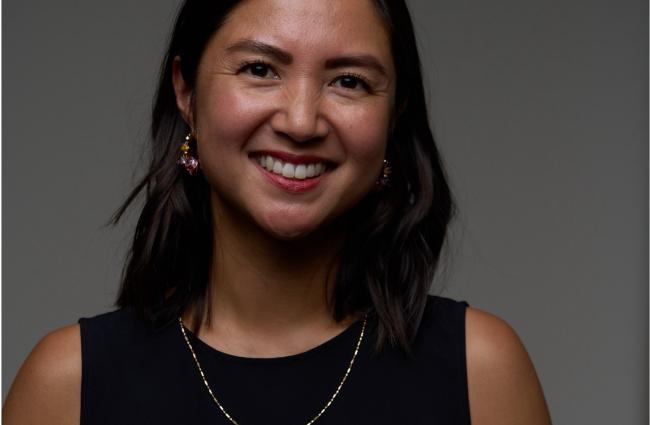
Jennifer Tran, MA
Show more Show less
Jennifer is the director of the National Equity Atlas, a joint effort between PolicyLink and USC Dornsife Equity Research Institute. Her work is focused on democratizing data and producing research that equips policymakers, advocates, and other community change-makers to make informed decisions and advance racial and economic equity.
I’m thrilled to be a reviewer because E4A champions timely, impactful research that drives action to advance health equity and community wellbeing.
Nancy Adler, PhD
Show more Show less
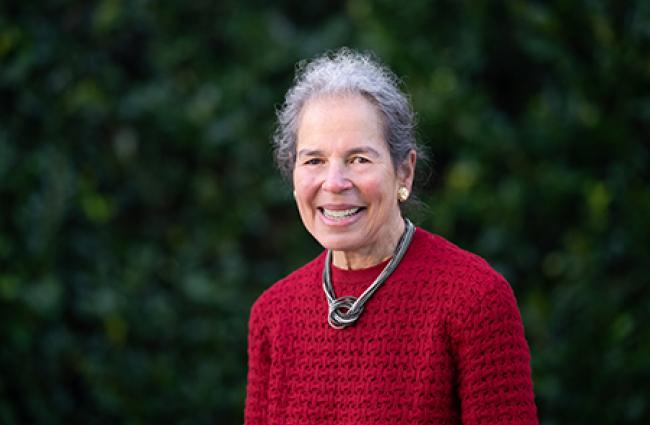
Dr. Adler was the inaugural director and founder of Evidence for Action. We recently lost Nancy, but will hold her in our thoughts. Her own research identified pathways by which social and behavioral factors influence health and well-being, with a particular focus on the role of socioeconomic status.
I am excited about the opportunity to strengthen the evidence about the impact of programs and policies that aim to improve health and advance equity, and am inspired by the creativity and commitment of those who are doing this work.
Sandro Galea, MD, MPH, DrPH
Show more Show less
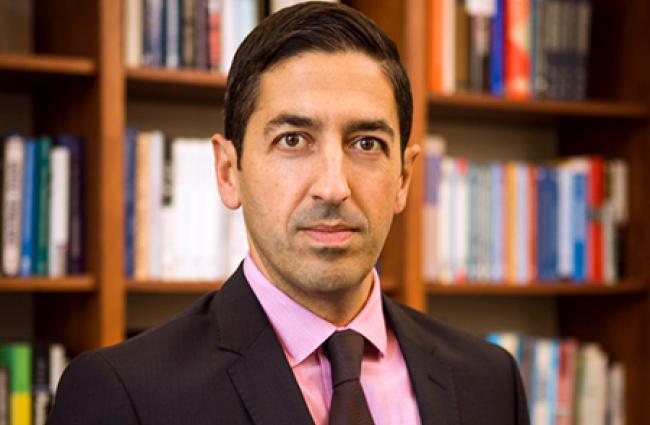
Dr. Galea was the chair of the E4A National Advisory Committee. In this role, he led a group of research experts that provided valuable insights on strategies for achieving E4A’s mission and expanding outreach efforts to potential applicants and decision-makers. He also reviewed a selection of Full Proposals. Dr. Galea is a physician and an epidemiologist. He is Dean and Professor at the Boston University School of Public Health. Dr. Galea is interested in the social causes of health, mental health, and the consequences of trauma.
I am always thrilled to read about new ideas, ways in which we can advance our understanding to the end of informing policies that can create a healthier world.
Aaron Carroll, MD
Show more Show less
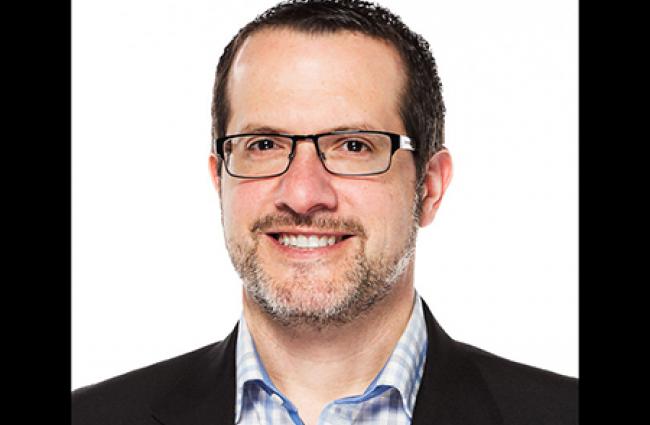
Dr. Carroll is the President and CEO of AcademyHealth, Associate Dean for Research Mentoring and a Professor of Pediatrics in the Department of Pediatrics at the Indiana University School of Medicine. Dr. Carroll's current research interests include the use of information technology in pediatric health care, decision analysis and cost-effectiveness analysis, and health policy; and investigating differences in the way people value different health states. He also translates health policy research and data into the public sphere through his blog, The Incidental Economist, his YouTube show Healthcare Triage, and his column The New Health Care at the Upshot at the New York Times.
Too much research points out what’s wrong without offering solutions to make things better. What I love about E4A is its singular focus on actionable evidence that stakeholders can immediately use to improve the world.

Marshall Chin, MD, MPH
Show more Show less
Dr. Chin is a general internist with extensive experience improving the care of vulnerable patients with chronic disease. He is Co-director of the Robert Wood Johnson Foundation Advancing Health Equity: Leading Care, Payment, and Systems Transformation Program Office and the Merck Foundation Bridging the Gap: Reducing Disparities in Diabetes Care National Program Office.
I am excited about E4A’s innovative work researching how to best address the health and social needs of patients and communities.
Dakota W. Cintron, PhD, EdM, MS
Show more Show less
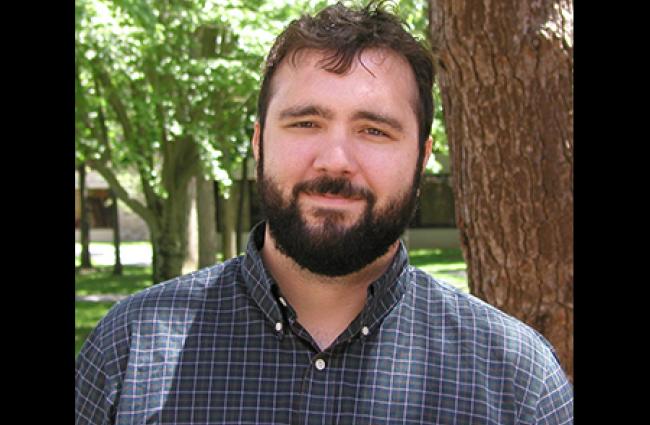
Dr. Cintron was a postdoctoral scholar for the E4A Methods Laboratory. Dr. Cintron’s research focused on the application, development, and assessment of quantitative methods in the social and behavioral sciences. His areas of research interest include topics such as item response theory, latent variable and structural equation modeling, longitudinal data analysis, hierarchical linear modeling, and causal inference. With the E4A Methods Laboratory, Dr. Cintron contributed to the promotion and development of quantitative methods that support the creation of rigorous evidence that improves population health and reduces health inequities and disparities.
E4A’s commitment to Identifying research that balances methodological rigor and actionable-evidence is an admirable and formidable task. E4A’s work is exciting because it is rising to this challenge and helping foster healthier, more equitable communities.
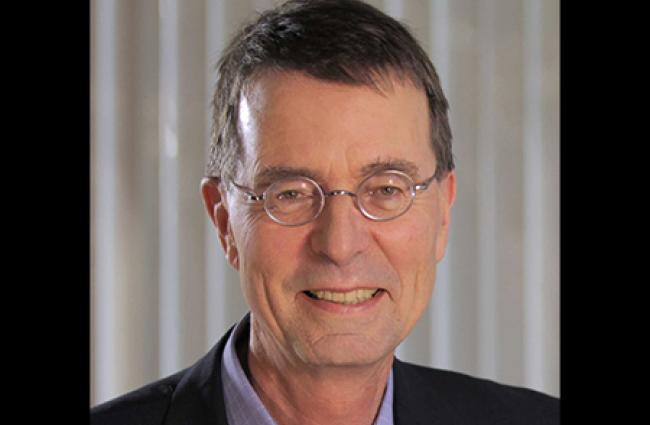
Greg J. Duncan, PhD
Show more Show less
Dr. Duncan spent the first 25 years of his career at the University of Michigan working on and ultimately directing the Panel Study of Income Dynamics data collection project. He has investigated the roles families, peers, neighborhoods, and public policy play in affecting the life chances of children and adolescents. Dr. Duncan’s research has highlighted the importance of early childhood as a sensitive period for the damaging influences of economic deprivation as well as for the beneficial impacts of policy-induced income increases for working families. The focus of his more recent research has shifted from these environmental influences to the comparative importance of the skills and behaviors developed during childhood.
I am delighted to be able to play a role in E4A’s efforts to channel funding toward rigorous applied health research. I have also enjoyed interacting with Advisory Committee members and staff.
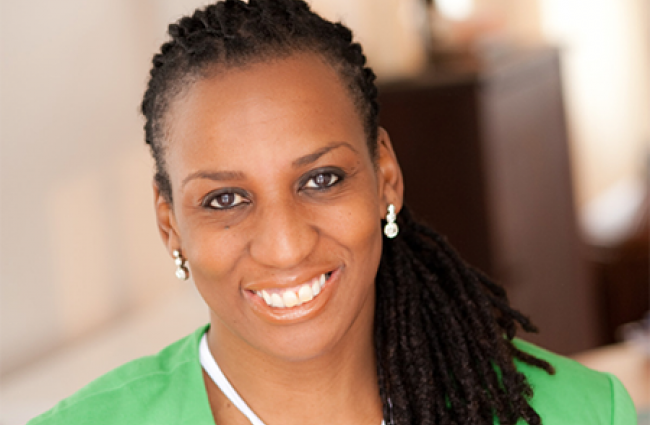
Janice Johnson Dias, PhD
Show more Show less
Dr. Johnson Dias is an Associate Professor of Sociology and a Graduate Faculty in the Department of Criminal Justice at John Jay College. Her research focuses on mothers and children who grew up and/or are living in poverty. Johnson Dias has extensive experience working with, evaluating and building collaborations among social service and community organizations. Johnson Dias is also the Founder and President of the GrassROOTS Community Foundation, a national public health and social action organization that supports, develops, and scales community-driven solutions to the health challenges facing women and girls living in poverty. Dedicated to making structural level changes, Johnson Dias works closely with policymakers to infuse academic research into public policy and advocate for more attention to be paid to the health and well-being of women and girls.
I am inspired to work with colleagues and scholars who are focused on using research to create practical and important changes in the lives of vulnerable populations.
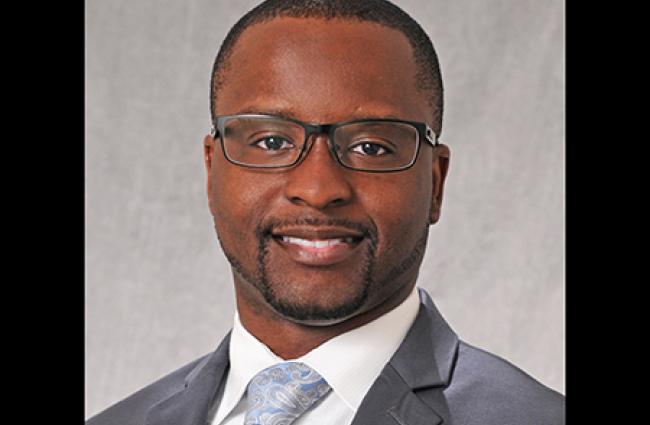
Antwan Jones, PhD
Show more Show less
Dr. Jones is an Associate Professor with appointments in Sociology, Epidemiology, Biostatistics & Bioinformatics, and Africana Studies at The George Washington University. As an urban sociologist, he is particularly concerned about socio-environmental processes that affect health and well-being during various stages of the life course. Engaged in national and international research, Dr. Jones examines how residential processes and neighborhood contexts are essential to the study of adult cardiovascular disease, child obesity, and disability among the elderly.
Dr. Jones is on a temporary leave from the NAC due to other professional commitments.
As an interdisciplinary scholar, I regularly hear about great research, and I am constantly exposed to new perspectives within several literatures. The unique joy that I have with working with E4A is that I get to see those tools for great research and those perspectives used to make meaningful change to individuals and communities. The program lives up to its name – it provides Evidence for Action.
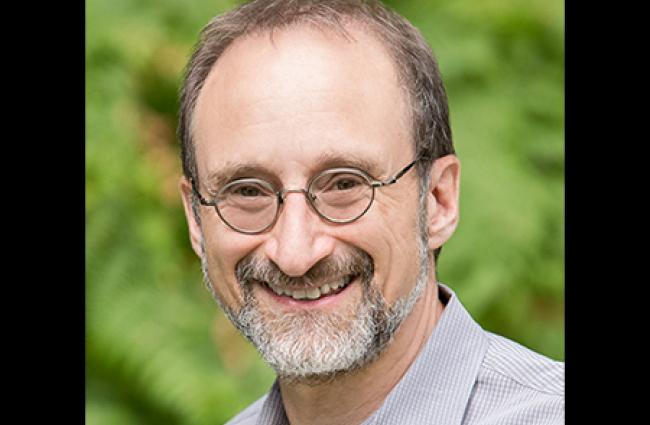
Jim Krieger, MD, MPH
Show more Show less
Dr. Krieger is founding Executive Director of Healthy Food America (HFA), Clinical Professor at University of Washington, and was chief of Chronic Disease Prevention at Public Health-Seattle & King County. His obesity prevention work using policy, communications and systems change strategies has led to improvements in school nutrition and physical activity, implementation of the nation’s second menu labeling regulation, reduction in exposure to sugary drinks, and increased access to healthy foods for low income people.
Change agents – policy makers, advocates, community leaders – need to know what works to improve health and reduce health inequities. E4A supports research that gives them what they need to make positive change in communities.
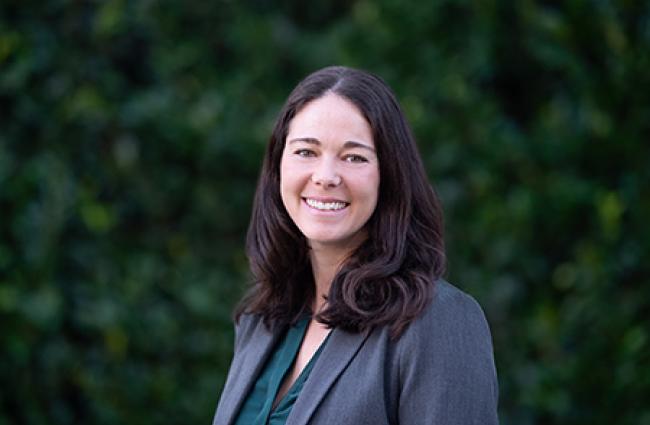
Ellicott Matthay, PhD, MPH
Show more Show less
Dr. Matthay was the inaugural postdoctoral scholar for the E4A Methods Laboratory and a frequent contributor to the E4A blog. Her work focused on methodological challenges that arise when seeking to generate rigorous evidence on how systems, programs, and policies influence population health and health inequalities. She worked to identify these issues, provide relevant evidence and tools to overcome them, and spark attention to these challenges in the broader community of quantitative researchers. Dr. Matthay’s research interests and areas of expertise include social determinants of population health, causal inference and epidemiologic methods, evaluation of large-scale social and economic programs and policies, and self-directed and interpersonal violence.
E4A is funding timely and important research that isn't being funded elsewhere. The questions that grantees are asking and answering really matter for population health and really do inform decision-making.
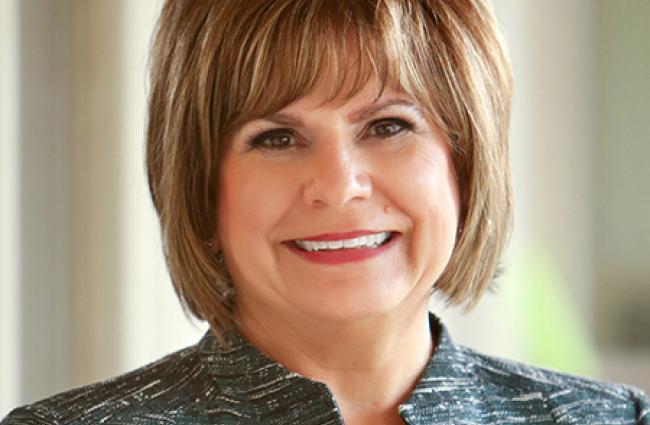
Amelie G. Ramirez, DrPH
Show more Show less
Dr. Ramirez, an internationally recognized cancer and chronic disease health disparities and communications researcher, is chair and professor of Population Health Sciences and founding director of the Institute for Health Promotion Research at UT Health San Antonio. She has vast experience conducting behavioral and communications research studies and interventions to reduce cancer, increase screening rates and patient navigation, prevent tobacco use, and improve healthy lifestyles among U.S. Latinos. Dr. Ramirez currently directs the Salud America! national multimedia program to drive policy and system changes to promote health equity.
I enjoy working with the amazing E4A leadership and support teams in this unprecedented opportunity to seek out the best, timely, innovative activities to create change in a positive way. The chance to test and evaluate truly game-changing actions is inspiring and keeps me highly engaged with E4A.

David Vlahov, RN, PhD
Show more Show less
After serving the program diligently in a leadership position for nine years, Dr. Vlahov has now stepped away. He contributed to the development of the overarching vision of E4A and setting of program priorities. He also reviewed and recommended applications for funding. Dr. Vlahov’s research expertise is in epidemiology, infectious diseases, substance abuse, and mental and global urban health. His work has contributed information on racial/ethnic disparities in health and approaches to address such disparities.
The range of projects funded through E4A are game-changers that provide evidence gathered using rigorous methods to shape policy toward population health equity and change culture to achieve that end.