Evidence for Action (E4A) funds research evaluating the population health, wellbeing, and racial equity impacts of programs, policies, and practices. What We're Learning is a repository of media pieces, research articles, presentations, reports, and other materials highlighting E4A supported research and findings. Sort by topic or resource type.

A recently created database tracks state-level firearm-related laws from 1991 to 2016. The database shows that while the overall number of laws has increased during that time, the number of laws varies a great deal from state to state, with some states adding a large number of laws over the year and other states not adding a single one.
Published Research resource

Access to firearms varies from state to state. The State Firearm Laws Database includes information on the laws in place in each of the 50 states and DC and the website highlights some of the things you can learn from the database.
Commentaries resource
Videos, Podcasts, & Webinars resource
Videos, Podcasts, & Webinars resource
Comparing the effectiveness of various state firearm laws or combinations of laws can inform future lawmaking efforts aiming to reduce firearm violence. Learn more about the creation of the State Firearm Laws Database.
Popular Press resource

The Deferred Action for Childhood Arrivals (DACA) program has significant economic benefits, but it also has strong mental health and wellbeing benefits, that should be considered when deciding whether to continue the program.
Popular Press resource

Litigation around physical education standards in California led to increased physical education time for students and more accountability to state standards but also highlighted that schools need additional resources and physical education teachers to ensure compliance.
Briefs, Reports, and Infographics resource
Schools and school districts need additional resources and support to comply with state-mandated standards around physical education (PE). The authors recommend a number of policy and program changes to increase PE compliance.
Briefs, Reports, and Infographics resource
Individuals eligible for the Deferred Action for Childhood Arrivals (DACA) program were less likely than DACA-ineligible individuals to experience moderate or worse psychological stress, suggesting that DACA improves psychological health and wellbeing.
Published Research resource
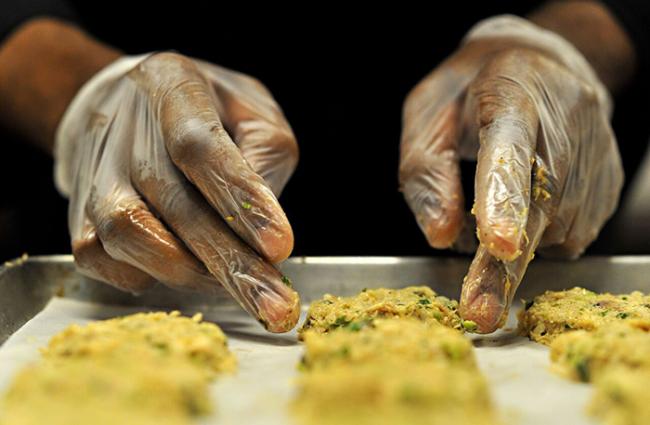
Working with Community Servings, researchers at Massachusetts General Hospital, are attempting to determine if medically tailored meal programs impact health and wellbeing, as well as provide cost savings.
Popular Press resource
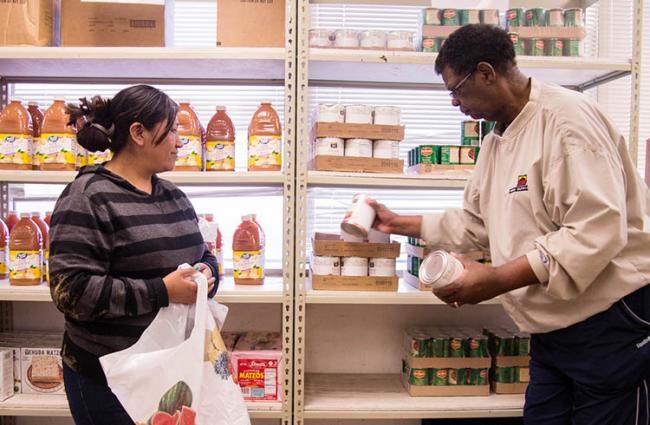
Health shocks negatively impact low socioeconomic status households, as they are least likely to have wealth to cover associated expenses or loss of income, are most likely to move and less likely to visit food distribution centers. Understanding the interplay of health and economic and food insecurity can inform the development of better social policies and interventions.
Published Research resource
Food insecurity is associated with poorer self-rated health, more frequent days of poor health, higher body mass index, more symptoms of depression, and a higher prevalence of diabetes, smoking, and functional limitations. However, receipt of food assistance is actually tied to poorer health. The relationship between the food assistance and health needs to be further explored.
Published Research resource