Evidence for Action (E4A) funds research evaluating the population health, wellbeing, and racial equity impacts of programs, policies, and practices. What We're Learning is a repository of media pieces, research articles, presentations, reports, and other materials highlighting E4A supported research and findings. Sort by topic or resource type.

In the first randomized controlled experiment of a multi-component intervention designed to shift schedules in hourly retail jobs toward greater stability, the Stable Scheduling Study found that increasing the stability of work schedules is possible and even profitable in today’s competitive retail environment.
Briefs, Reports, and Infographics resource
A stable scheduling intervention at Gap, Inc., showed that such practices lead to increased productivity and sales.
Popular Press resource
Stable scheduling practices has benefits for workers and employers.
Popular Press resource
Stable schedules for retail hourly, shift-workers led to increased productivity and sales, as well as reduced stress and better health for workers.
Popular Press resource

Where we live and the quality of our housing and neighborhood determines many things, including access to healthy food, quality of education, and overall health and well-being.
Briefs, Reports, and Infographics resource

To promote elementary physical education, a compliance law is not enough—schools need more resources in the form of financial support for more teachers, evidence-based curricula development, professional development for class room teachers, and trainings/technologies to help schools track and report physical education minutes.
Briefs, Reports, and Infographics resource
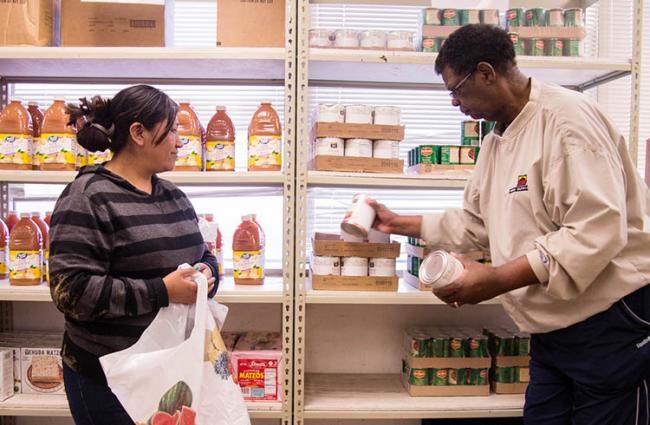
Understanding the interplay of economic instability and individual health income with family and social network level economic and food insecurity can aid in the development of interventions aimed at improving health and wellbeing.
Published Research resource

The Deferred Action for Childhood Arrivals Program has positive economic impacts, as well as psychological health and wellbeing. Rescinding the program could have serious population-level mental health and wellbeing repercussions.
Published Research resource

With approximately 1 in 15 US children born to undocumented immigrant parents, interventions expanding access to prenatal care have the potential to make a big difference to maternal and child health.
Commentaries resource
Expanding prenatal care to unauthorized immigrant women resulted in more prenatal visits, receipt of adequate prenatal care, and increases in diabetes screenings and ultrasonograms. Children were also more likely to attend well child visits and get vaccinations.
Published Research resource

Hundreds of lives could be saved each year if all states required people under domestic violence restraining orders to relinquish their firearms and instituted may issue laws, giving authorities some level of discretion over the issuance of concealed carry permits.
Briefs, Reports, and Infographics resource

The presentation outlines the theoretical framework, research design, preliminary findings, and next steps.
Presentations resource