Evidence for Action (E4A) funds research evaluating the population health, wellbeing, and racial equity impacts of programs, policies, and practices. What We're Learning is a repository of media pieces, research articles, presentations, reports, and other materials highlighting E4A supported research and findings. Sort by topic or resource type.

Family Resource Centers are community-based hubs that share the philosophy that strengthening families through a strengths-based, culturally relevant, family-centered approach is a key mechanism to foster healthy communities.
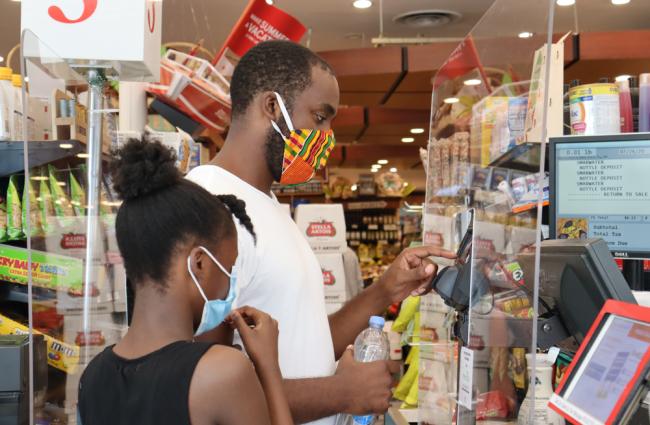
Research shows that the risks and burdens of the COVID-19 pandemic are larger for marginalized populations, with Black, Hispanic, and Indigenous peoples more likely to contract and die of COVID.
Paid leave that covers time off for all workers will advance food security.

Dr. Hussien "talks about living wage ordinances that were passed in the 1990s and 2000s in cities across the United States".
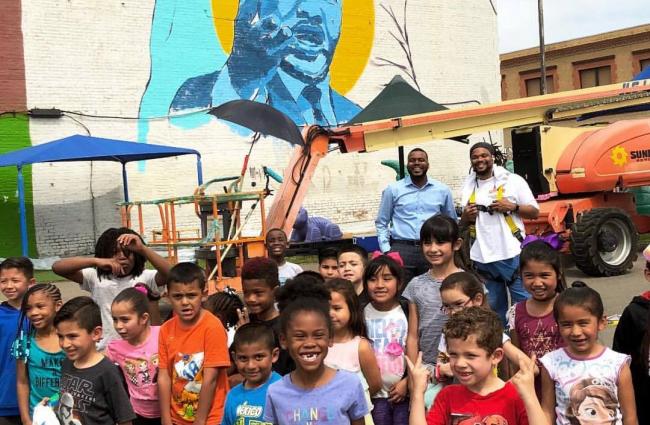
The dashboard provides background information on SEED, as well as initial findings and information on how participants are using the funds they receive as part of the guaranteed income pilot.
Financial literacy is positively associated with life satisfaction, health, income, and other outcomes. However, the relationship between financial literacy and those outcomes can be more complex when age and gender are considered.
Unemployment insurance reduced food insecurity for those individuals that lost employment during the COVID-19 pandemic. The $600 weekly supplement was associated with further declines in food insecurity.
In this piece in the New Yorker, author Linnea Feldman Emison shares background information about how the Stockton Economic Empowerment Demonstration came to be, the research study evaluating its impacts, and initial findings from the study.

Banning the use of affirmative action in college admissions can harm the health of minority high school students.
In this ABCNews piece, Meghan Keneally highlights how those participating in the Stockton Economic Empowerment Demonstration, a guaranteed basic income pilot, use the funds.