Evidence for Action (E4A) funds research evaluating the population health, wellbeing, and racial equity impacts of programs, policies, and practices. What We're Learning is a repository of media pieces, research articles, presentations, reports, and other materials highlighting E4A supported research and findings. Sort by topic or resource type.
New research suggests that state-level gun regulations, including universal background checks, can have appreciable effects in lowering homicide rates.
Popular Press resource
New research suggests restricting who can have a gun is more effective than banning a type of gun when it comes to curbing homicides.
Popular Press resource
The Impact of State Firearm Laws on Homicide and Suicide Deaths in the USA, 1991–2016: A Panel Study
Universal background checks and violent misdemeanor laws were associated with reductions in firearm-related homicide rates, while "shall issue" laws were associated an increase in firearm rates.
Published Research resource
States with universal background checks, may issue, and violent misdemeanor laws experienced 36.1% lower homicide rates.
Briefs, Reports, and Infographics resource
During the Bipartisan Policy briefing, Overcoming Health Care Challenges in Immigrant Communities, panelists discussed challenges to immigrant communities accessing health care and social services—including cultural, linguistic, coverage, and other barriers—and how this impacts broader population health and well-being.
Videos, Podcasts, & Webinars resource
Damon Jones, David Molitor, and Julian Reif provide background on why they decided to evaluate worksite wellness programs, what they evaluated, and what they found.
Outlet: Scientific American.

Popular Press resource
Presentations resource
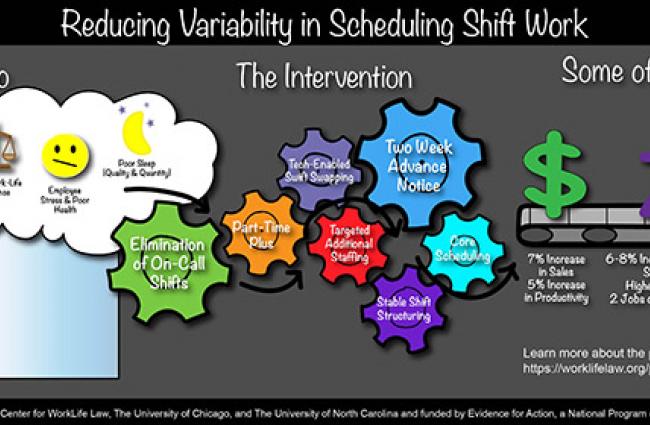
In a study conducted at Gap, Inc., stable scheduling improved self-rated sleep quality and reduced stress among parents and workers holding a second job.
Popular Press resource
Briefs, Reports, and Infographics resource
A stable scheduling intervention at Gap, Inc., resulted in better self-reported sleep for sales associates.
Briefs, Reports, and Infographics resource
Nighttime heat events increase distress, with poor adults especially vulnerable to extreme heat events. Extreme heat also reduced birth weight, particularly in rural areas, and if it occurs unseasonably.
Presentations resource
Covering smoking cessation medication and counseling through Medicaid may lead to increased attempts to quit smoking.
Published Research resource