Purpose
Join us at the American Journal of Public Health Ways of Knowing Supplement Session: Challenging the status quo - Toward a transformed health science ecosystem panel session.
The panel will bring together key players from across the Ways of Knowing ecosystem, including individuals representing academic institutions, community-based organizations, research funders, and scientific journals. Together, they will unpack how the Health Science Knowledge System (HSKS) currently functions, and what role each of their respective sectors can play in transforming it toward one that uplifts more holistic Ways of Knowing. Structured as an open, conversational format, each panelist will have an opportunity to make the case for the unique value and roles of their sector within the HSKS, while other panelists will be invited to challenge those assumptions and bring up tensions for discussion. The goal is to engage in honest dialogue that advances how we move the field towards a transformed HSKS. The session will begin with a brief overview of the Ways of Knowing initiative and conclude with audience Q&A.
Session Outcomes
- Analyze key assumptions, tensions, and tradeoffs that influence transforming the Health Science Knowledge System
- Identify opportunities to advance the priority actions of the Ways of Knowing Action Agenda within participants' own institutions, organizations, or communities
Date and Time
Monday, November 2, 2026 from 2:30 pm - 4:00pm CST
Location
San Antonio, Texas
Moderators
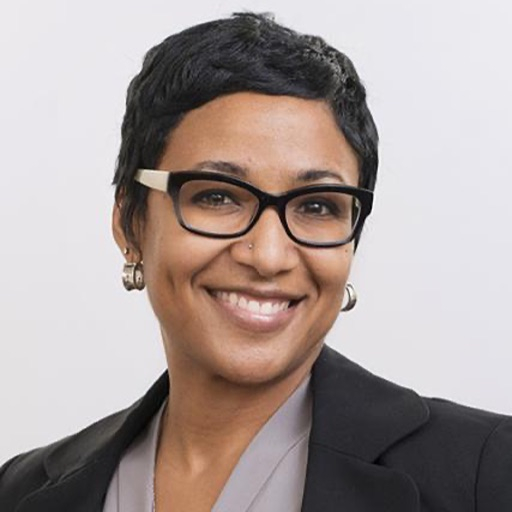
Dr. Amani Nuru-Jeter is currently the Director for Evidence for Action and Professor for the Community Health Sciences and Epidemiology at the University of California, Berkeley, School of Public HealthDr. Dr. Nuru-Jeter provides the overarching vision and direction for E4A and its administration, sets program priorities, and has played a pivotal role in shaping the Ways of Knowing Initiative. She is Professor of Community Health Sciences and Epidemiology at the University of California, Berkeley, School of Public Health, where her research focuses on race and socioeconomic health disparities and the measurement and study of racism as a social determinant of health.

Thomas LaVeist is dean of the Tulane University Celia Scott Weatherhead School of Public Health and Tropical Medicine and Principal Investigator for Partners for Advancing Health Equity. His career has been dedicated to understanding the causes of inequity in health and its potential solutions. He has an extensive record of publication in scientific journals as well as numerous mass media outlets and is director and executive producer of “The Skin You’re In,” a documentary series about racial inequalities in health. He is also author of six books including “Minority Population and Health: An introduction to health disparities in the United States” (the first textbook on health disparities). An award-winning research scientist, Dr. LaVeist has received the “Innovation Award” from National Institutes of Health, the “Knowledge Award” from the U.S. Department of Health and Human Services and was elected to the National Academy of Medicine in 2013.
Panelists
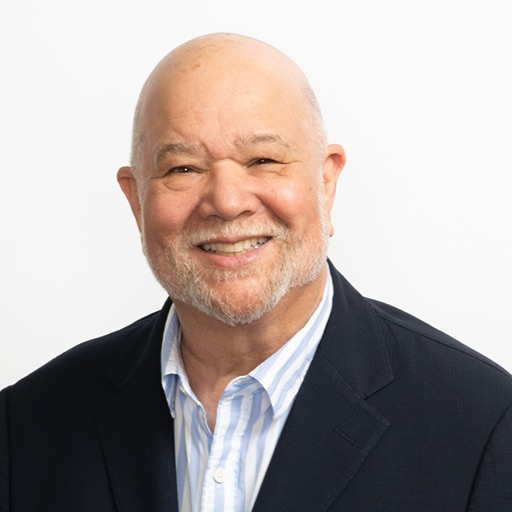
Alonzo Plough joined the Robert Wood Johnson Foundation as chief science officer and vice president, Research-Evaluation-Learning in January 2014. He is responsible for aligning all the Foundation’s work with the best evidence from research and practice on improving health equity and incorporating program evaluations into organizational learning. He also oversees the two grantmaking portfolios focused on innovation and emerging issues: Ideas for an Equitable Future and Global Ideas for U.S. solutions. Dr. Plough has been a national leader in public health practice for over 25 years including the Los Angeles County Department of Public Health where he served as the director of emergency preparedness and response, as the director and health officer for the Seattle and King County Department of Public Health, and as the director of public health for Boston.
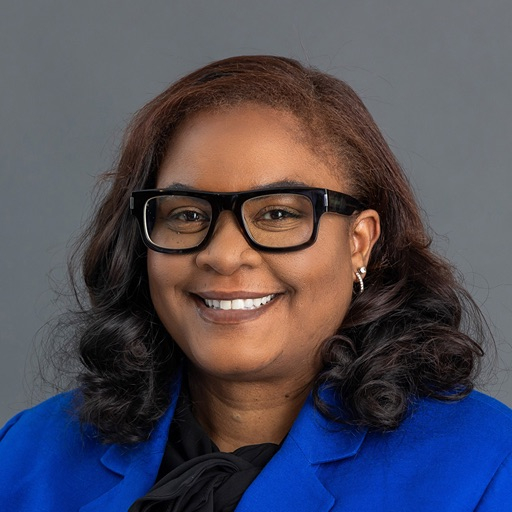
Dr. Melody Goodman is the dean and Professor of Biostatistics at the New York University School of Global Public Health and Ways of Knowing Challenging the Norm: Redefining Rigor in Health Research symposium co-organizer. A member of the NYU faculty since 2017, she has held numerous leadership roles at the university prior to her deanship, including Senior Executive Vice Dean, Vice Dean for Research, Associate Dean for Research, and Interim Chair of the Department of Biostatistics. She has over 150 peer-reviewed journal articles and two books. She is a biostatistician and research methodologist. Her work is anchored upon moving beyond defining problems and focuses on developing solutions using partner-engaged research approaches. She is a Fellow of the American Statistical Association and the inaugural recipient of the Societal Impact Award from the Caucus for Women in Statistics.
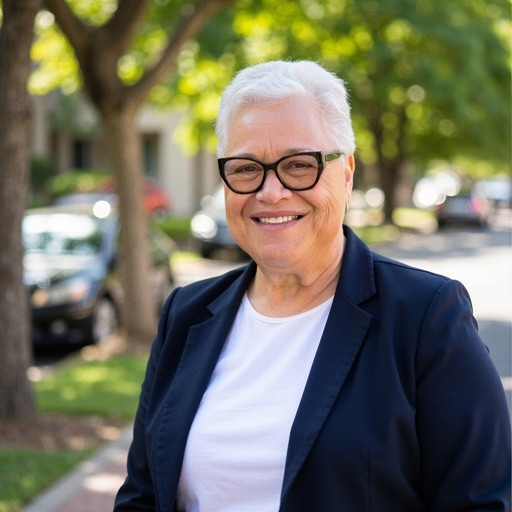
B. Puni Kekauoha has served Papakolea since 1992. Ms. Kekauoha works closely with community organizations and the Department of Native Hawaiian Health. She is most comfortable working with organizations and local service agencies to address the health disparities in the Native Hawaiian community. As a visionary leader Puni helped to form Kula No Na Po'e Hawaii serving on the board from 1992-2002. In 1999, she along with key members of the community founded the Papakolea Community Development Corporation serving as its Executive Director for 12 years. She has extensive experience in collaborating effectively with university departments to provide services to residents of Papakolea, as well as providing care to kupuna. She is a proponent of community health care networks and the strength and resiliency of a strong community.
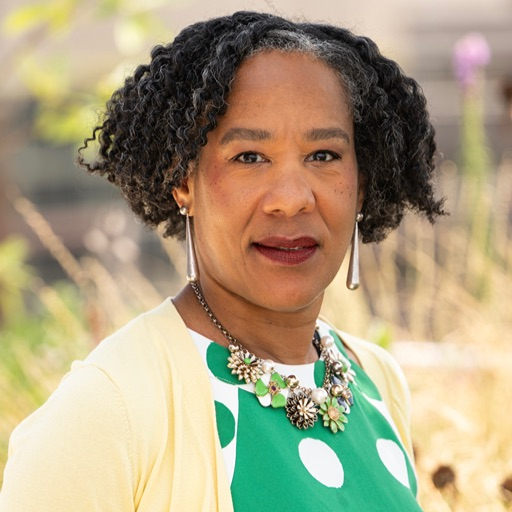
Dr. Monica McLemore is a tenured full professor at the Rory Meyers College of Nursing at New York University, and editor-in-chief at Health Equity. Prior to this, she was a tenured, full professor in the Child, Family, and Population Health Department and the Director for the Manning-Price Spratlan Center for Anti-Racism and Equity (CARE) in Nursing at the University of Washington School of Nursing. She has worked her entire career in reproductive health, rights, and justice. She is a preeminent scholar of antiracist birth equity research, community-informed methods, and policy translation. To date, she has 153 peer reviewed articles, OpEds and commentaries and her research has been cited in the Huffington Post, Lavender Health, eight amicus briefs to the Supreme Court of the United States, and four National Academies of Science, Engineering, and Medicine reports, and a data visualization project entitled How To Fix Maternal Mortality: The first step is to stop blaming women that was published in the 2019 Future of Medicine edition of Scientific American. She was named editor of Health Equity Journal in 2022.