Introduction
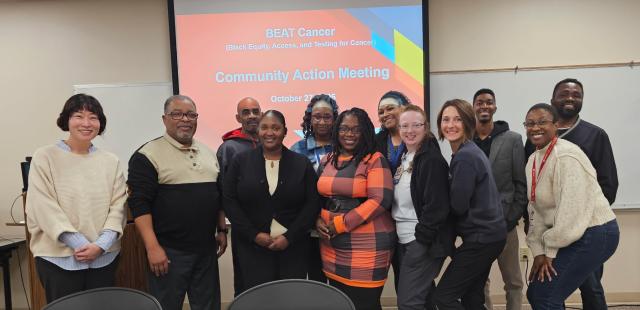
As part of the cross-sector, community-based initiative, we – the Black Equity, Access, and Testing for Cancer (BEAT Cancer) team – formed a Community Action Board (CAB) to ensure community representation, engagement, and development of impactful solutions when implementing the screening program in the community. The CAB consisted of partnership representatives, non-profit organizations, and community residents committed to improving health and wellbeing for residents in Omaha and across Nebraska, especially in the areas of colon cancer. This included public service agencies, a federally qualified health center, colon cancer task force, economic development, elected officials, colon cancer survivors, nurses, community health workers, faith-based leaders, and caregivers.
As the project progressed, our team wanted to better understand how the CAB functioned and what made the partnership successful. We explored members' experiences working together and the factors that could help sustain the BEAT Cancer initiative beyond the life of the project. To do this, we conducted a partnership assessment survey and a series of discussions to examine group dynamics within the CAB during the project period (2023–2026). Our assessment focused on CAB members’ perceptions of collaboration, communication, decision-making, trust, and overall participation within the community-academic partnership.
How the BEAT Cancer Team Assessed CAB Dynamics
We used a multi-step process to assess CAB group dynamics:
- Rapid-Fire Reflection
CAB members reflected on their work together, facilitated by project leadership, to understand members’ initial perspectives regarding leadership, collaboration, decision-making, and trust within the group. - Online Survey
An online follow-up survey was given to CAB members to assess each person’s thoughts and feelings about the group dynamics across seven areas: communication, decision-making, benefits of participation, general satisfaction, project impact, trust, and community engagement approach. - CAB Listening Session
Survey findings were presented to CAB members during a facilitated listening session that allowed members to discuss the results, including both areas of agreement and difference.
Emerging Themes
Overall, CAB members described positive group dynamics and strong engagement with the BEAT Cancer initiative. Four primary themes emerged from the assessment process:
- Expressing Views
CAB members felt comfortable sharing their perspectives during meetings, that discussions were interactive and inclusive of both professional expertise and lived experience, and individual opinions were acknowledged and considered by project leadership and the research team when project refinement was necessary. - Personal Growth and Capacity Building
CAB members shared that participation in the group contributed to both personal and organizational development, increased confidence in discussing colorectal cancer prevention and advocating for screening within their communities, and strengthened capacity to collaborate with partners to engage communities in health promotion activities. - Increased Knowledge and Skill
Through their participation, CAB members expanded their understanding of colorectal cancer screening, community health needs, and the barriers many residents face when accessing preventive care. They also shared that CAB discussions created opportunities to learn from the diverse perspectives represented on the board. - Confidence in Colon Cancer Screening Impact
CAB members expressed strong confidence in the potential impact of the BEAT Cancer initiative on colorectal cancer awareness and screening in the community. CAB Members viewed the project as an important effort to engage communities in prevention conversations and emphasized the importance of expanding awareness of the program among health and human service agencies and policymakers.
Overarching takeaways
The CAB assessment suggests that the BEAT Cancer CAB functioned as an effective board contributing to the success of the community-academic partnership. CAB members described a collaborative environment characterized by openness, trust, and meaningful participation, while also reporting increased knowledge, confidence, and organizational capacity to support colorectal cancer prevention and health equity efforts. These findings highlight the value of community engagement in public health research and programming, which suggests that the BEAT Cancer CAB model may support the implementation and potential scalability of future community-engaged initiatives.
Lessons learned
Beyond demonstrating a successful partnership, our assessment identified several practices that may support the sustainability of community-academic collaborations. Creating an environment where community members felt comfortable sharing their perspectives—and where their feedback informed project decisions—helped foster trust, engagement, and shared ownership. Bringing together partners from diverse sectors created opportunities for mutual learning and strengthened collaboration, while investing in members' knowledge and leadership development built capacity that extended beyond the immediate project. This experience suggests that sustainable partnerships depend not only on achieving project outcomes but also on intentionally cultivating inclusive decision-making, reciprocal learning, and long-term relationships among community and academic partners.