Evidence for Action (E4A) funds research evaluating the population health, wellbeing, and racial equity impacts of programs, policies, and practices. What We're Learning is a repository of media pieces, research articles, presentations, reports, and other materials highlighting E4A supported research and findings. Sort by topic or resource type.
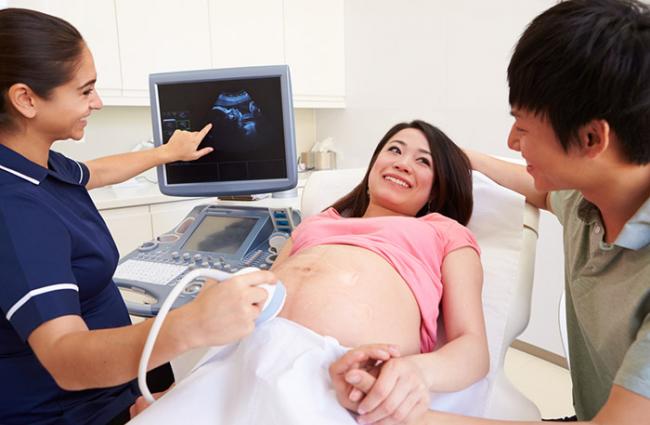
Prenatal care expansion increased gestational diabetes screenings, child vaccination rates, and prenatal visits, and reduced infant mortality and extremely low birth weights.
Briefs, Reports, and Infographics resource
Expansion of prenatal care to undocumented immigrants led to increases in adequate care among all and high-risk pregnancies, as well as increased diagnosis of gestational diabetes, pre-existing diabetes mellitus, hypertension, history of preterm birth, and poor fetal growth.
Published Research resource
The health of citizen children born to undocumented immigrants is closely tied to local, state, and federal immigration policies.
Popular Press resource
With approximately 1 in 15 US children born to undocumented immigrant parents, interventions expanding access to prenatal care have the potential to make a big difference to maternal and child health.
Commentaries resource
Expanding prenatal care to unauthorized immigrant women resulted in more prenatal visits, receipt of adequate prenatal care, and increases in diabetes screenings and ultrasonograms. Children were also more likely to attend well child visits and get vaccinations.
Published Research resource
Unauthorized immigrants are mostly left out of the Affordable Care Act and are often unable to access or afford medical care. Expanding prenatal care to unauthorized immigrants positively impacts the health of both the mothers and their citizen children.
Popular Press resource
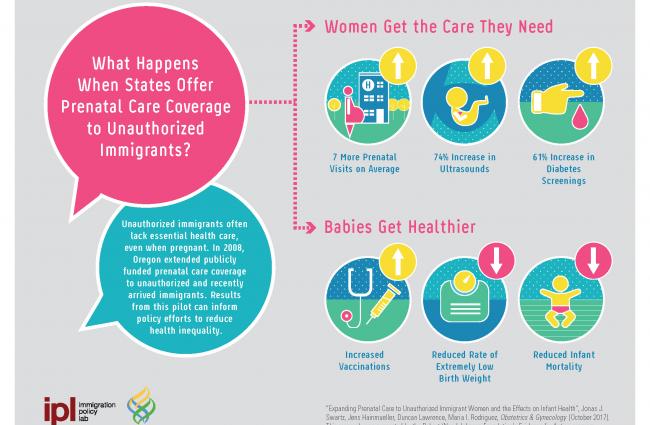
When states offer prenatal care coverage to unauthorized immigrants women get the care they need and babies get healthier.
Briefs, Reports, and Infographics resource